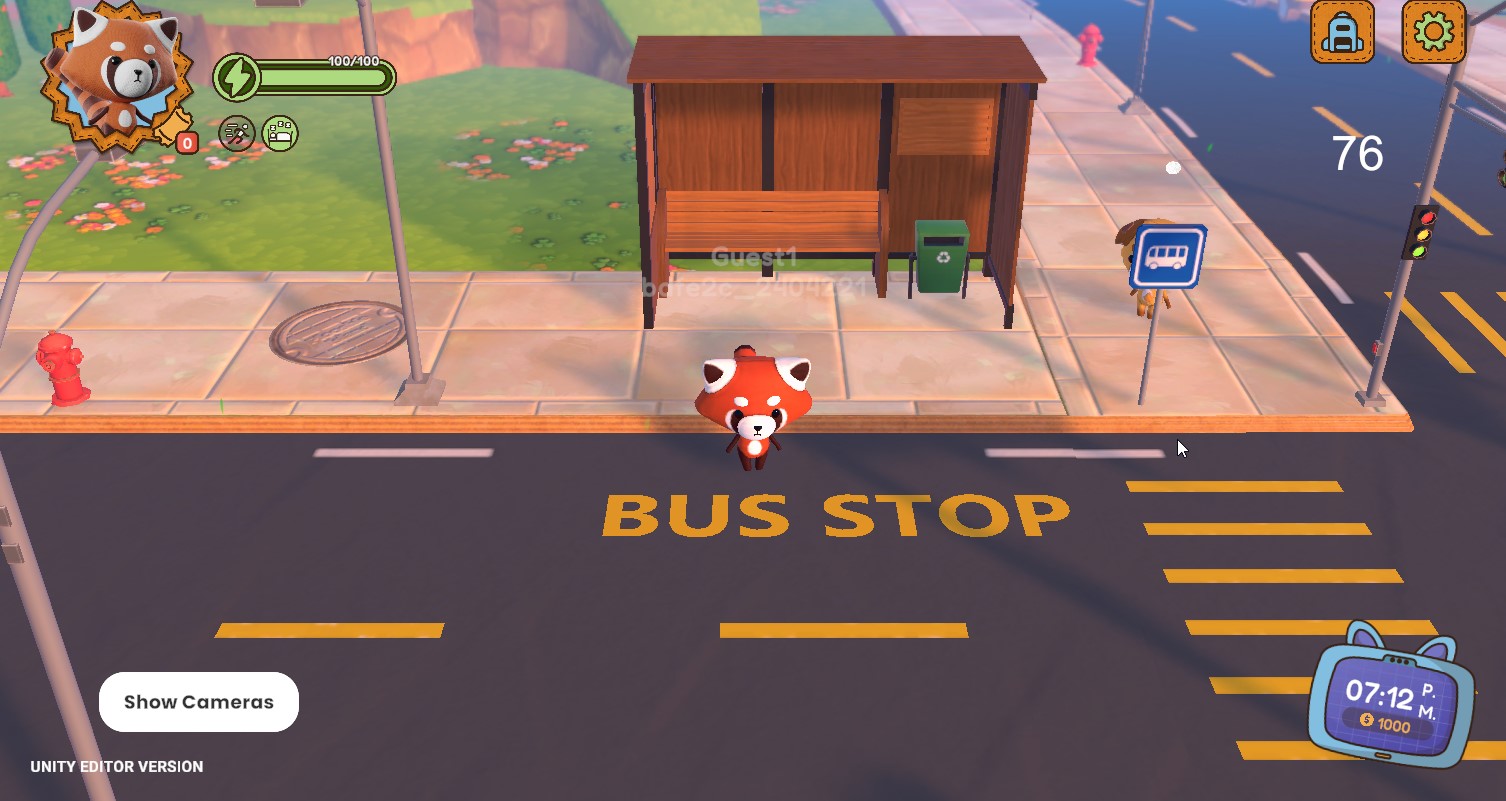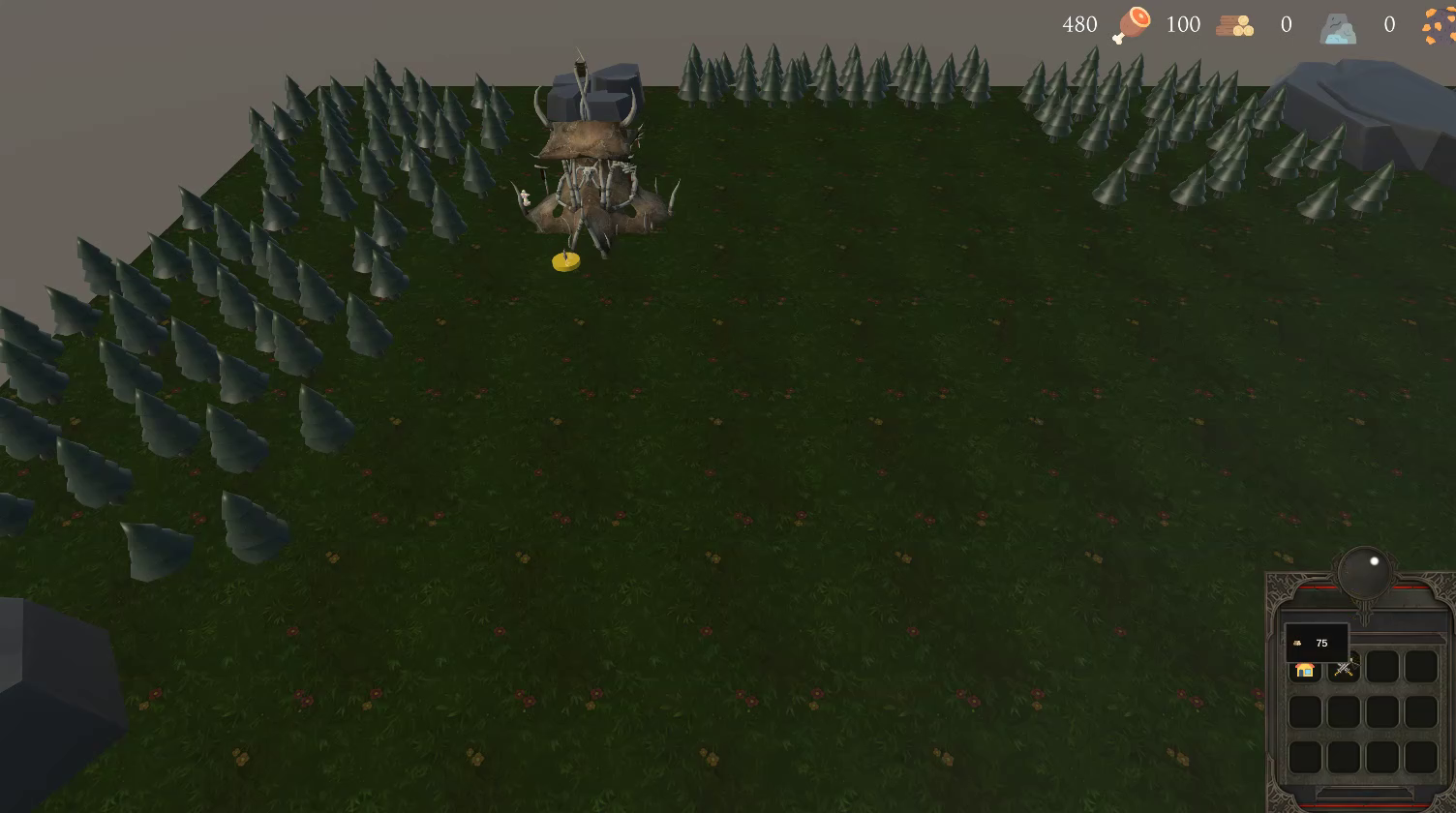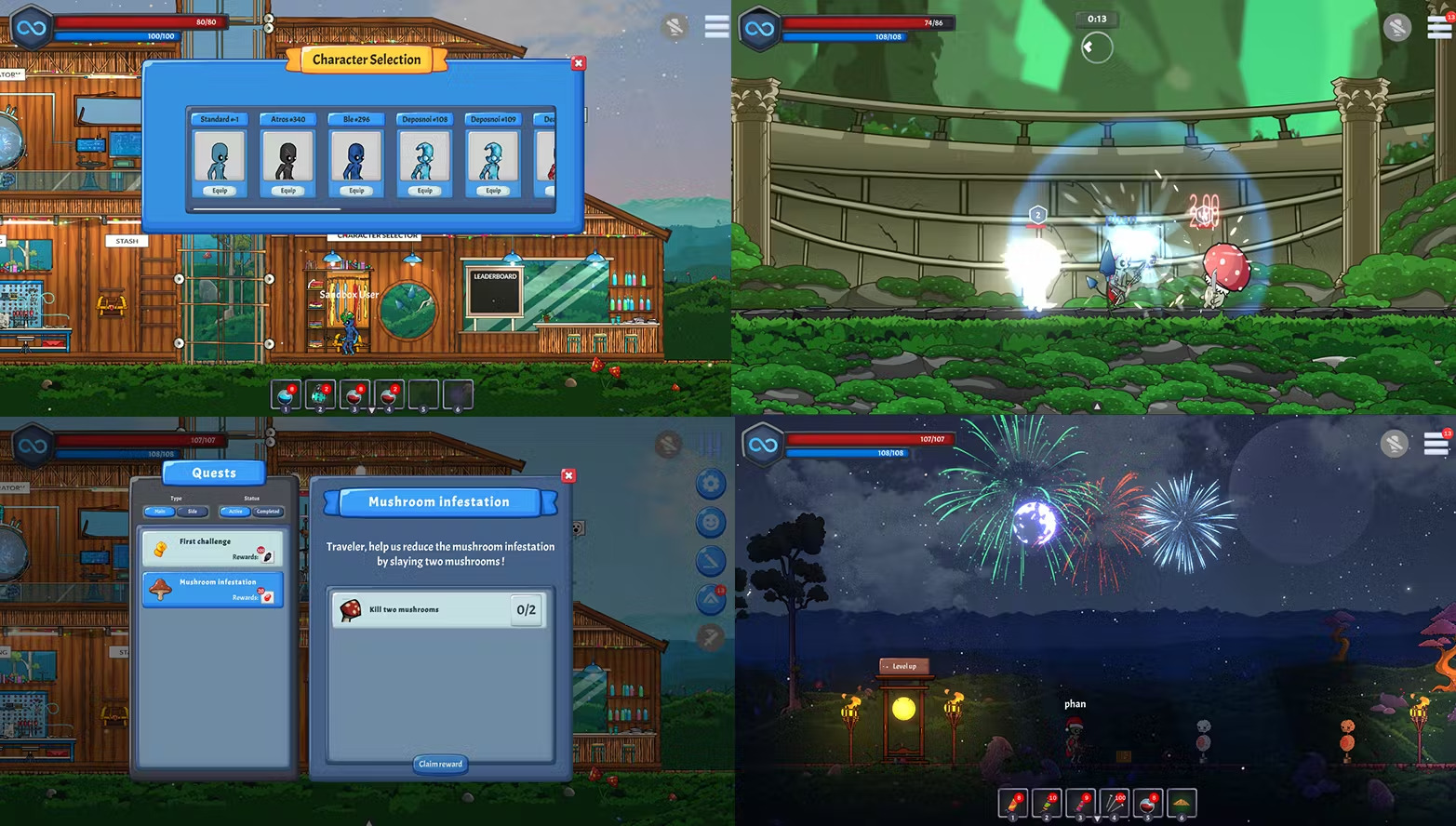
Chronos: Dawn of Time is an RPG multiplayer mobile and desktop game that seamlessly combines the
immersive qualities of a single-player on a multiplayer gaming experience with the innovative
capabilities of blockchain technology and NFTs.
Featured Full-Stack Game Platform
A competitive gaming platform I built across a Photon Quantum FPS, a cross-platform desktop
launcher, and a production backend for accounts, matchmaking, payments, builds, updates, and
player operations.
Winzy is a skill-based competitive gaming platform where players can authenticate, download the
game, join free or paid matches, compete in a Photon Quantum FPS, earn quest progress, and have
match results settle through a backend wallet and payment system. I worked across the whole
product surface: gameplay, client/backend integration, launcher, infrastructure, build delivery,
and validation.
Full Moon Fury Game
I built the game-side systems that turn the FPS into a platform-connected competitive product
instead of a standalone prototype.
- Implemented Photon Quantum gameplay flow: spawning, health, weapons, pickups, respawns,
warmup, countdown, skirmish, running match state, overtime, burn-phase resolution,
disconnect handling, auto-victory, and end-of-match reporting.
- Built the match coordinator that connects Unity to the backend and Photon: free and paid
queues, payout-tier selection, ticket polling, estimated waits, match-found UI, Photon
room startup, join tokens, connection confirmation, cancellation races, void detection,
abandon calls, and automatic requeue recovery.
- Created gameplay-facing UI for authentication, mode selection, matchmaking, paid-match
errors, scoreboard, kill feed, crosshair feedback, health, weapons, game-over, payout
screens, quests, surveys, loading states, mobile joystick controls, settings,
verification, and consent flows.
- Integrated quest telemetry from gameplay events, including match plays, wins,
first-place finishes, kills, deaths, headshots, damage dealt, and weapon pickups with
match-scoped idempotency keys.
- Prepared the game for WebGL, desktop, and mobile/APK delivery with WebGL performance
management, native mobile auth fallback, Android texture optimization, mobile input, and
platform-specific build tooling.
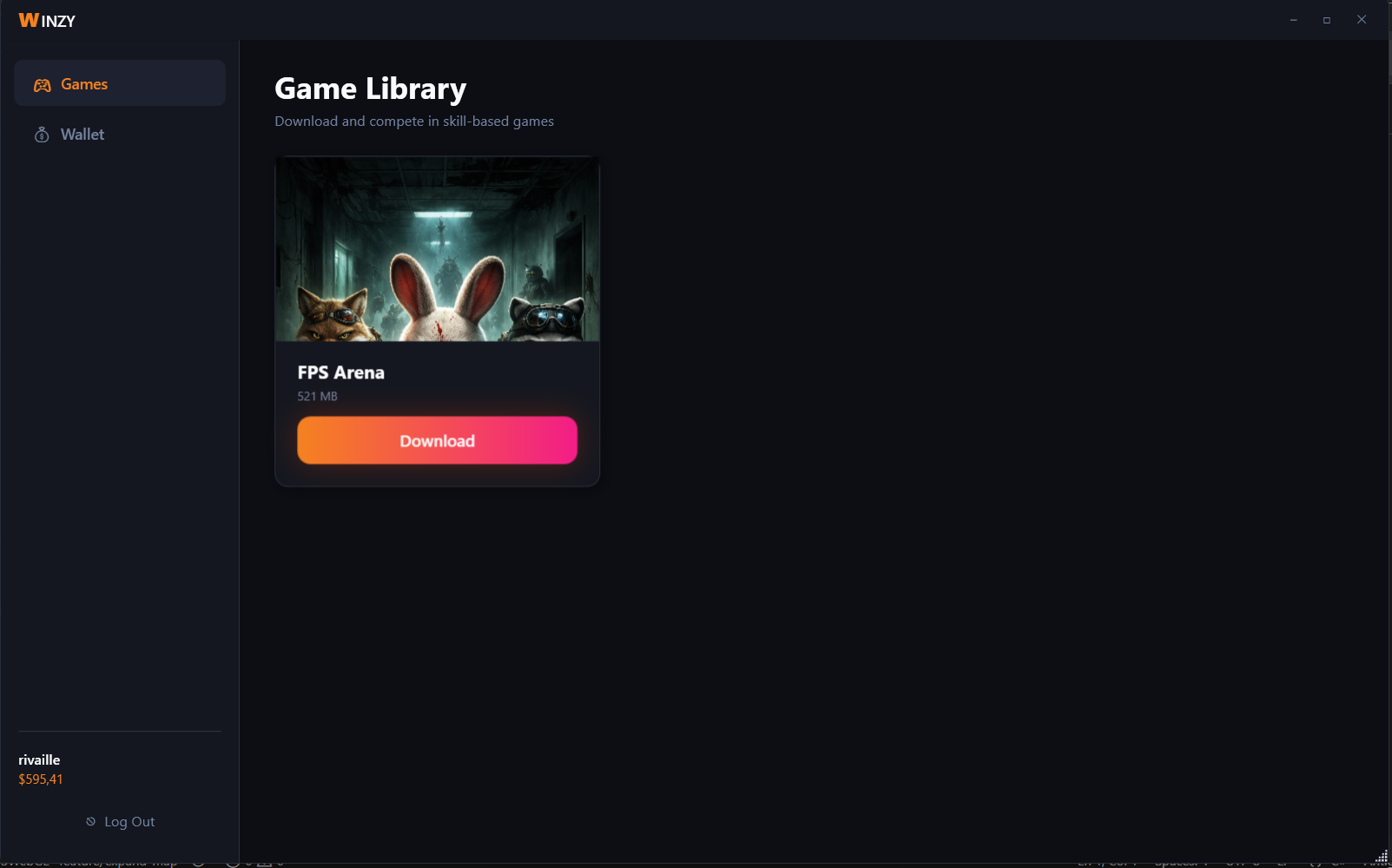
Winzy Desktop Launcher
I created a native launcher so players can install, update, authenticate, and launch Winzy on
Windows and macOS.
- Built a layered .NET launcher across Core, API, Services, UI, and MAUI projects, with
login, registration, email verification, consent, wallet display, settings, game
library, install state, and a custom dark themed interface.
- Implemented game download and install flows: remote manifest fetching, cover images,
install directory selection, disk-space checks, authenticated downloads, progress and
speed tracking, SHA-256 verification, zip extraction, local install metadata, update
detection, launch tracking, and uninstall support.
- Added smart updates for installed games using per-file manifests, local hashing,
changed-file downloads, deleted-file cleanup, empty-directory cleanup, fallback full-zip
installs, and optional download throttling.
- Built Windows and macOS launch bridges: Windows executable discovery and DPAPI auth
handoff, macOS .app bundle discovery, executable-bit restoration, quarantine attribute
removal, chmod-protected auth handoff, and launch through platform-specific process
handling.
- Connected launcher releases to backend-hosted update feeds with Velopack scaffolding,
Codemagic configuration, release packaging scripts, macOS verification scripts, and
platform-specific update delivery.
Backend & Infrastructure
I engineered the backend as a production-style .NET platform powering the game, launcher,
payments, and operations.
- Built a layered ASP.NET Core backend with Domain, Application, Infrastructure, and API
projects using PostgreSQL, Redis, Hangfire, Stripe, S3-compatible storage, JWT auth,
Serilog, Sentry, Swagger, health checks, rate limiting, CORS, and cloud-ready
configuration.
- Implemented identity, profile, consent, beta access, waitlist, wallet, KYC, payments,
refunds, disputes, withdrawals, admin player management, game/ruleset administration,
quests, surveys, weapon skins, replays, audit logs, risk flags, and brand events.
- Designed paid and free matchmaking with queue tickets, idempotent enqueue, pay-tier
validation, paid-play gating, long-poll status, late-join windows, roster locking,
no-show removal, entry-fee holds, fee capture, match voiding, and ticket requeueing.
- Built settlement logic for server-authoritative finalization, result hashes, placement
recording, configurable payout policies, rake calculation, payout-tier snapshots,
transaction-safe money movement, refund-only voids, admin-review routing, and recovery
jobs.
Testing, Release & Delivery
I pushed the project from prototype scope into a tested MVP that could be presented as a real
platform.
- Created integration and contract test coverage for happy paths, webhook idempotency,
invalid signatures, refunds, disputes, finalize security, join idempotency, gating,
Photon custom auth, KYC, waitlist, matchmaking, surveys, fake providers, signed
payloads, and real Stripe test behavior.
- Shipped deployment work across Docker, database migrations, PostgreSQL/Redis URL
parsing, upload limits, Sentry scrubbing, Hangfire recurring jobs, CI scripts, Unity
build automation, macOS universal builds, desktop build APIs, launcher packaging, and
S3-backed game/update delivery.
- Built the platform to support WebGL, Windows, macOS, and Android APK paths, with mobile
deployment work already prepared for the next release phase.
Multiplayer Blockchain Wagering Platform
A real-time multiplayer wagering platform where I built several deterministic Photon Quantum
games and helped connect them to backend, WebSocket, and encrypted data flows for competitive
play.
I worked on this platform before Winzy, building multiple competitive games for a blockchain wagering
product where players could enter skill-based matches, play in real time, and have the game client
coordinate with backend services for secure operations. The core challenge was making very different
games feel consistent inside one platform while keeping multiplayer state deterministic, responsive,
and trustworthy.
Deterministic Multiplayer Games
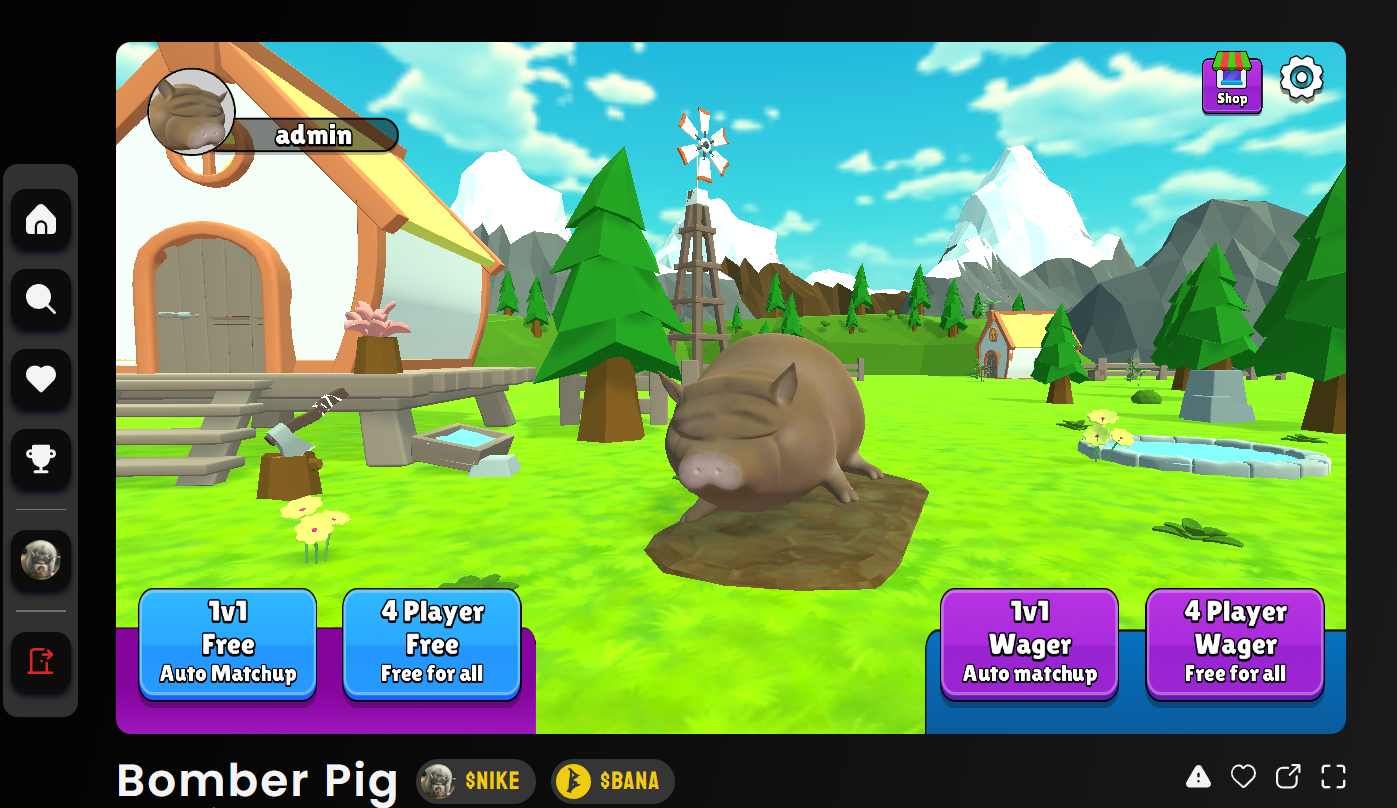
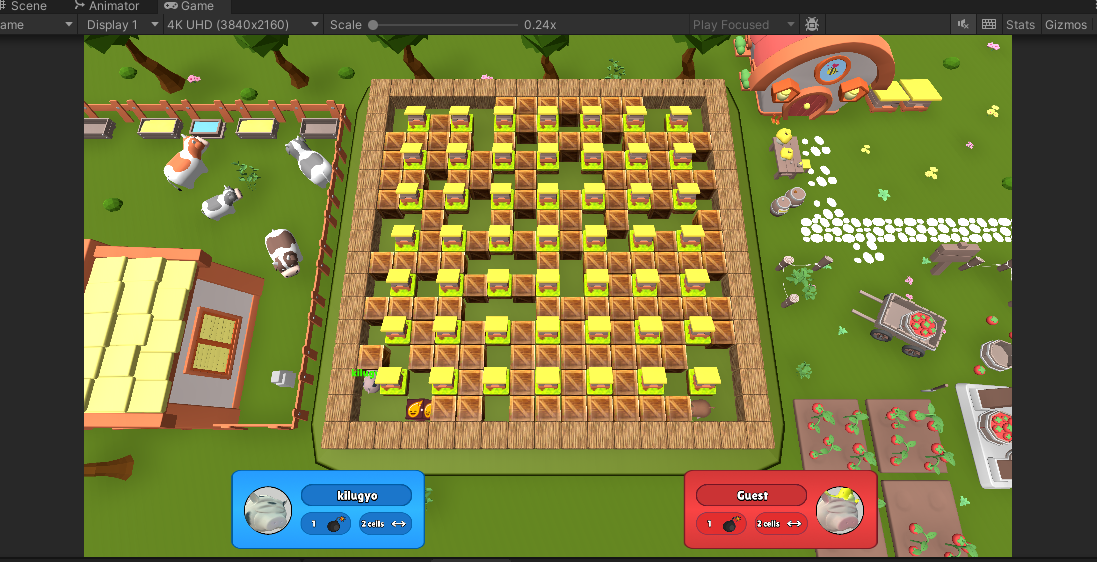
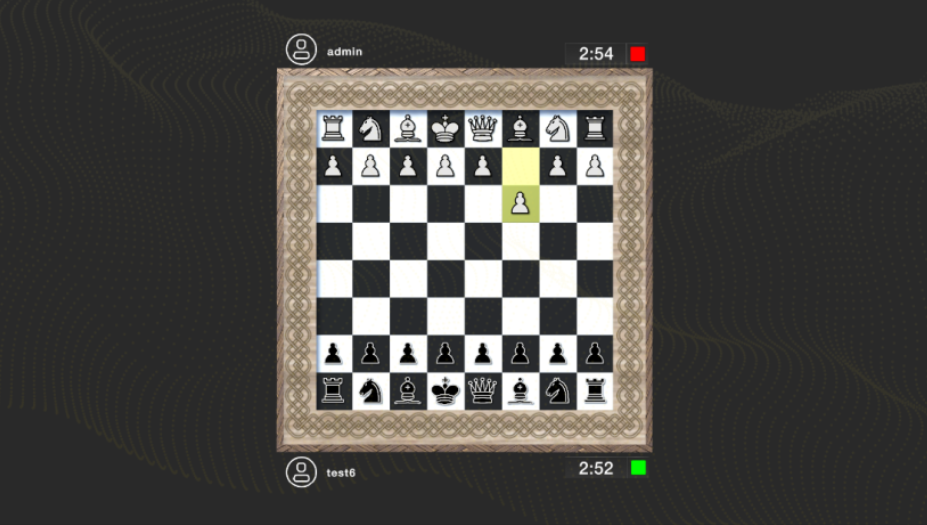
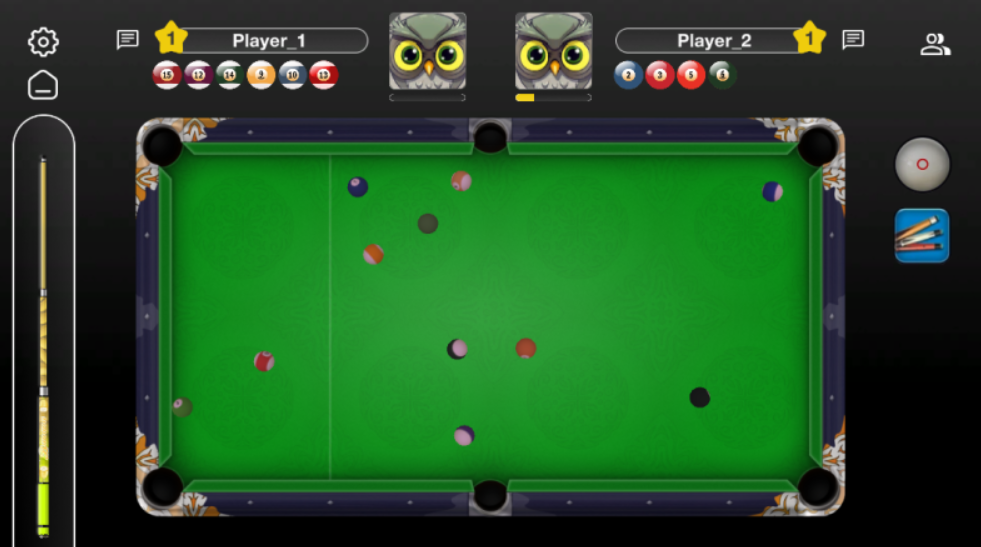
I created several multiplayer games for the platform, including Chess, Pool, Bomberman-style
gameplay, and additional prototypes, and integrated them into the platform's shared
real-time event loop.
- Built the games with a deterministic multiplayer approach using Photon Quantum so both
players could share authoritative simulation results instead of relying on fragile
client-only state.
- Implemented game-specific logic for turn handling, match flow, board/table/arena state,
player actions, win/loss conditions, UI feedback, and synchronized gameplay events.
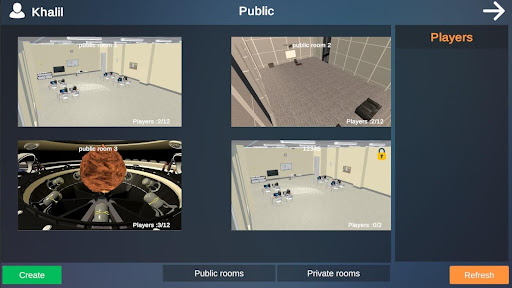
- Adapted each game to the same platform expectations: wager/free entry points, session
identity, match events, player status, and consistent real-time interaction patterns.
Backend Collaboration
I collaborated with backend engineers to design and implement a Spring Boot server that
supported seamless game operations across the wagering platform.
- Worked through the contracts between Unity/Photon game clients and backend services so
game sessions, player actions, and match lifecycle events could move cleanly through the
platform.
- Helped shape backend-facing event payloads and operational flows for real-time
multiplayer games with wagering-sensitive state.
- Kept implementation practical across game client and server boundaries, making sure
gameplay events were usable by the backend without slowing down the player experience.
Real-Time Networking
I built and optimized WebSocket connections for real-time interactions, allowing the platform
to handle in-game events and player state updates at scale.
- Implemented event-driven communication paths for gameplay updates, match status, player
actions, and platform events.
- Optimized WebSocket behavior so time-sensitive gameplay interactions stayed responsive
while still fitting the platform's backend event model.
- Focused on stable real-time delivery across multiple game types instead of solving each
game as a separate networking problem.
Security & Data Protection
I implemented secure data transmission using RSA and AES encryption, adding defense-in-depth
around traffic moving between the client, platform, and backend services.
- Used asymmetric and symmetric encryption patterns to protect sensitive request and event
payloads.
- Helped harden the platform's game communication layer for a wagering context where
trust, tamper resistance, and reliable state transfer matter.
- Balanced security work with gameplay requirements so protection did not compromise
real-time responsiveness.